Stitch Embroidery Typography: A Designer's Textured Toolkit
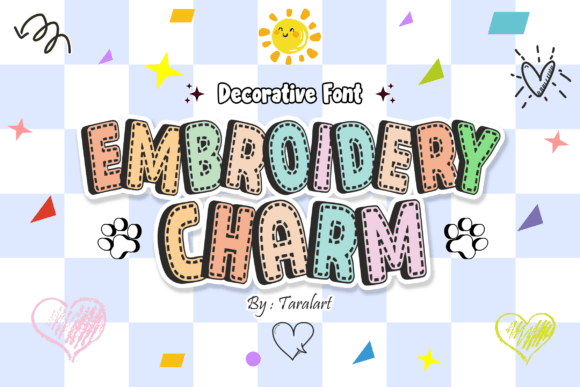
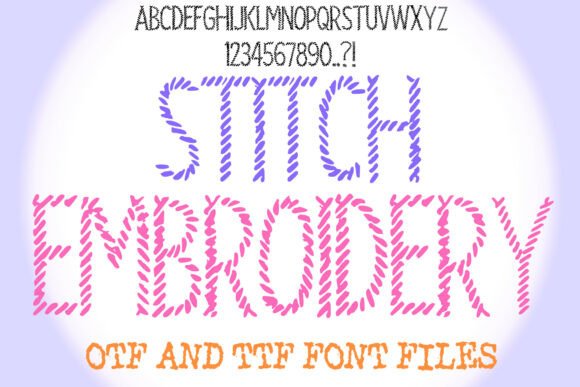
Imagine adding the tactile warmth and intricate detail of hand-stitched embroidery directly to your digital designs, without ever threading a needle. This is the unique power of stitch embroidery typography, a creative asset that transforms simple letterforms into textured, visually compelling narratives. Specifically, the stitch embroidery alphabet lettering ABC sewing text font offers a complete set of characters that allows designers to craft custom words and phrases, each character bursting with personality and a handmade aesthetic. A little bit quirky and incredibly adept, this font style provides a distinct visual voice that can elevate a wide variety of creative projects.
Understanding the Visual Appeal
At its core, stitch embroidery in typography mimics the look of thread on fabric. This style introduces texture, dimension, and a sense of craftsmanship into digital layouts. In an era dominated by sleek, minimalist aesthetics, this approach offers a refreshing contrast. It appeals to a desire for authenticity and human touch, making it a powerful tool for graphic designers looking to create more engaging and emotionally resonant visual communication. The effect is both nostalgic and modern, capable of conveying warmth, playfulness, or artisanal quality depending on the context and color palette.
Practical Applications Across Design Contexts
The versatility of a stitch embroidery font makes it a valuable addition to any designer's toolkit. Its application extends far beyond novelty, offering genuine solutions for branding and user engagement.
- Branding and Logo Design: For brands in the lifestyle, craft, food, or children's product spaces, a stitch-style logo or wordmark instantly communicates handmade values, care, and uniqueness. It helps build a brand identity that feels personal and approachable.
- Marketing and Social Media Graphics: Stand out in crowded feeds with headers, quotes, or call-to-action buttons rendered in this textured font. It captures attention quickly and adds a layer of tactile interest that flat text cannot, improving click-through rates and engagement.
- Packaging and Merchandise: Stitch embroidery lettering is perfect for product labels, hang tags, and merchandise like tote bags or apparel mockups. It suggests quality and a bespoke touch, enhancing the perceived value of physical goods.
- Editorial and Web Design: Use it sparingly for pull quotes, section headers, or decorative elements in digital magazines or blogs. In UI design, it can add character to onboarding screens or special feature announcements, creating memorable micro-interactions.
- Digital Products and Presentations: E-books, worksheets, and slide decks benefit from this style. It can make educational content more engaging or add a creative flair to professional presentations, aiding in visual hierarchy and retention.
Tips for Effective Implementation
To ensure your use of stitch embroidery typography is effective and professional, consider these practical guidelines:
- Prioritize Readability: This style is best used for display purposes—headlines, logos, and short phrases. Avoid setting large blocks of body copy in a stitch font, as the intricate details can reduce legibility at small sizes. Always test at your intended scale.
- Maintain Visual Hierarchy: Pair your stitch embroidery lettering with a clean, simple sans-serif or serif font for body text. This contrast ensures the stitched elements pop without overwhelming the overall design composition.
- Color with Intention: The color palette dramatically influences the mood. Soft, muted threads evoke a vintage or rustic feel, while bright, saturated colors can feel playful and modern. Ensure sufficient contrast against the background for accessibility.
- Consider Scalability: While vector-based stitch fonts will scale smoothly, always preview your design at various sizes to ensure the stitch effect remains coherent and doesn't become muddy when enlarged or reduced.
- Align with Audience and Goal: This style carries strong connotations. Ensure it matches your target audience's expectations and the project's core message. It’s ideal for creative projects, artisanal brands, or any context where warmth and personality are key.
Ultimately, the thoughtful integration of a resource like stitch embroidery alphabet lettering demonstrates a designer's attention to detail and understanding of visual psychology. By selecting creative assets that align with a project's goals and audience, you move beyond mere decoration to craft communications that are both beautiful and deeply effective. Quality typography and textured elements are not just about aesthetics; they are fundamental tools for shaping perception, guiding the user experience, and telling a more compelling story through design.