Ballpoint Handwriting: A Versatile Font for Modern Design
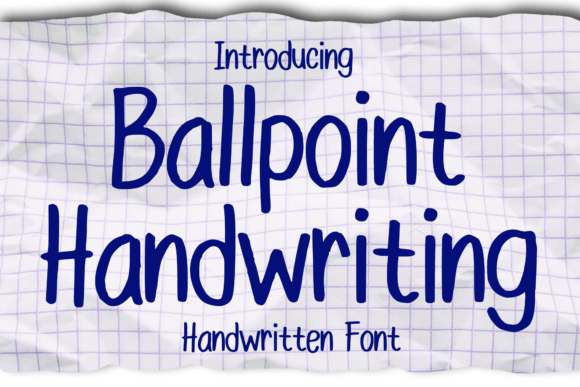
The authentic, fluid strokes of a ballpoint pen can instantly inject personality and warmth into any visual project. Ballpoint Handwriting is a font that masterfully captures this everyday aesthetic, offering a fun, versatile typeface perfect for daily use. It elevates a wide range of design projects, adding a super cool, approachable touch that resonates with audiences. This font transforms ordinary layouts into engaging visual stories, making it an invaluable asset for designers seeking to blend professionalism with a human touch.
The Role of Handwritten Typography in Visual Communication
In a digital landscape often dominated by sterile sans-serifs and predictable serifs, a well-crafted handwritten font like Ballpoint Handwriting provides a crucial counterbalance. It communicates authenticity, creativity, and approachability. This typeface isn't just about looking casual; it's a strategic tool for strengthening brand identity. When used thoughtfully, it can make a brand feel more relatable and trustworthy, directly impacting user engagement and the overall perception of quality.
Practical Applications Across Creative Projects
The true power of Ballpoint Handwriting lies in its incredible versatility. It’s not a one-trick pony but a foundational creative asset that can be adapted across numerous mediums. Consider its impact in these areas:
- Branding and Logo Design: Perfect for boutique businesses, artisanal products, or personal brands aiming for an authentic, handcrafted logo identity.
- Marketing Materials: Use it on flyers, posters, and digital ads to grab attention and convey a message with a personal, persuasive flair.
- Social Media Content: Create engaging graphics, quotes, and stories that stand out in a crowded feed, boosting visual hierarchy and shareability.
- Editorial and Packaging Design: Add character to magazine headlines, book covers, or product packaging, enhancing the unboxing experience and shelf appeal.
- Web and UI Design: Implement it for headings, call-to-action buttons, or annotations to guide users and add warmth to the digital interface.
- Merchandise and Advertising: From t-shirt designs to comic panels and cartoon drawings, it delivers a super cool touch that makes products memorable.
Integrating Ballpoint Handwriting into Your Design Workflow
Selecting a font is just the first step. To use Ballpoint Handwriting effectively, consider its role within your broader design system. It excels as a display or accent font rather than for long body copy. Ensure it complements your primary typeface and color palette. For instance, pairing it with a clean, neutral sans-serif creates a balanced visual hierarchy, allowing the handwritten element to highlight key information without sacrificing readability or professional presentation.
Evaluate the font's scalability and weight variations to ensure it performs well across different sizes, from a small sticker to a large banner. Always test it in context: does it maintain its charm when printed? Is it legible on mobile screens? By treating Ballpoint Handwriting as a strategic component of your visual design toolkit, you can harness its full potential to create cohesive, impactful, and emotionally resonant work.
Ultimately, the most compelling designs are those that connect on a human level. Thoughtful typography choices, like incorporating a dynamic and fun font such as Ballpoint Handwriting, are fundamental to achieving this. Quality creative assets do more than decorate; they clarify communication, reinforce brand values, and transform simple projects into memorable experiences. By investing in versatile design elements, you empower your work to be both aesthetically pleasing and deeply effective.