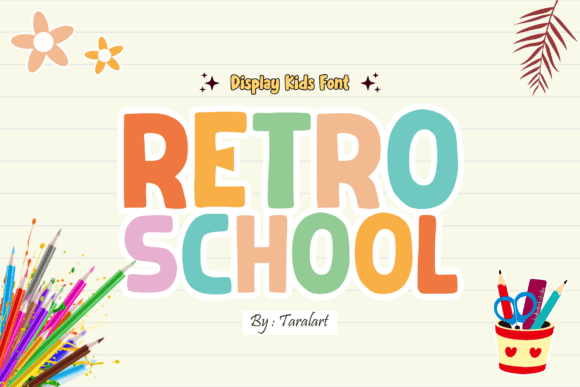
Retro School: Reviving Vintage Charm in Modern Design
Imagine a typeface that doesn't just spell out words but evokes a feeling, a specific era of handwritten elegance and nostalgic confidence. That is the power of a well-crafted retro font. In the vast landscape of digital assets, finding a typeface with genuine character can transform a project from ordinary to memorable. For designers and creators seeking to infuse their work with a distinct vintage personality, exploring options like the Retro School font is a strategic move.
More than just a collection of letters, a typeface like this serves as a cornerstone for visual storytelling. Its design philosophy often draws from mid-century signage, classic schoolbook penmanship, or art deco flourishes, offering a bridge between the warmth of the past and the clarity required in modern graphic design. This blend of nostalgia and functionality makes it a powerful tool in any designer's toolkit.
Why a Vintage Aesthetic Resonates Today
In an age of minimalist interfaces and geometric sans-serifs, a touch of vintage typography provides a compelling counterpoint. It humanizes digital communication, builds immediate emotional connection, and stands out in a crowded visual environment. For brands, this can be instrumental in shaping a unique brand identity that feels authentic, trustworthy, and full of personality. A font with a retro flair can communicate heritage, craftsmanship, or a playful, approachable vibe without a single extra word.
Practical Applications for Creative Projects
The versatility of a character-rich typeface is its greatest asset. It moves seamlessly across various mediums, ensuring a cohesive visual language for your entire project or brand ecosystem.
- Branding & Logo Design: Craft logos for cafes, boutiques, artisanal products, or lifestyle brands that need an established, classic feel. The distinct letterforms become instantly recognizable brand marks.
- Marketing & Social Media: Design eye-catching headlines for posters, flyers, and digital ads. On social media, it creates standout quotes, story graphics, and post titles that stop the scroll, enhancing visual hierarchy.
- Editorial & Web Design: Use it for chapter headings in magazines, blog post titles, or hero text on websites to create a strong visual design focal point. It pairs beautifully with clean, modern body text.
- Packaging & Merchandise: Ideal for packaging design for food products, cosmetics, or apparel. It translates exceptionally well to physical goods like t-shirts, mugs, tote bags, and stationery, where its texture and detail shine.
- Digital Products & UI: While not for body copy, it can accentuate specific UI elements, app splash screens, or digital marketing materials like eBook covers and online course graphics.
Integrating Retro Typography Effectively
Successful implementation requires more than just liking the font. It demands thoughtful integration into your design workflow.
- Prioritize Readability: Ensure the font remains legible at the intended size. Test it across devices and in print. Use it for short, impactful text rather than long paragraphs.
- Establish a Clear Hierarchy: Pair it with a simple, neutral font for body copy. The retro font should command attention for titles and key messages, creating a balanced visual hierarchy.
- Consider the Context: Align the font's era with your project's theme. A 1950s diner aesthetic won't match a 1980s neon vibe. Consistency is key to credible branding.
- Test for Scalability: Check how the font looks from a small favicon to a large billboard. Details should remain clear and recognizable.
Ultimately, the goal of any creative asset is to enhance communication and create a polished, professional presentation. A thoughtfully chosen typeface acts as a silent ambassador for your message, shaping perception before a word is read. By selecting tools that offer both aesthetic appeal and functional reliability, you invest in the quality and impact of every creative project