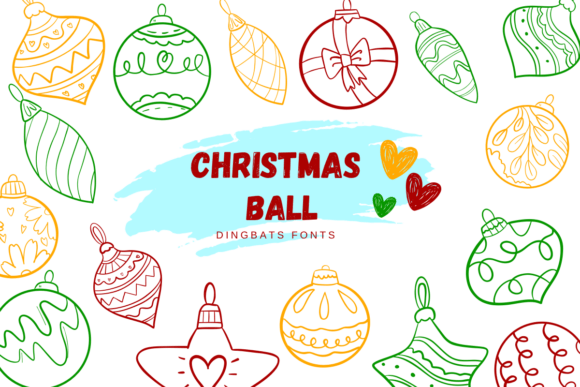
Books: A Charming Typeface for Creative Design
In the vast landscape of digital typography, finding a font that balances whimsy with function can feel like a design challenge. Books is a cute dingbat font with a lovely theme, offering a unique solution for projects that need a touch of personality and warmth. Its charming, book-inspired motifs provide an immediate visual shorthand for storytelling, education, and cozy nostalgia, making it a versatile asset in a designer's toolkit for enhancing visual communication and brand identity.
Understanding the Role of Thematic Fonts in Visual Design
Modern graphic design thrives on creating an emotional connection. A thematic font like Books contributes directly to this by embedding a specific aesthetic into the very letterforms. This isn't just about decoration; it's about strategic visual communication. When integrated into a brand's visual system, such a font can instantly convey a brand's core values—whether that's creativity, tradition, or approachability—without a single word of explanatory copy. It strengthens brand identity by providing a consistent and memorable visual element across all touchpoints.
Practical Applications for the Books Font
The true value of a creative asset lies in its application. Books can be deployed across a wide array of projects to inject charm and thematic coherence. Consider its use in:
- Branding and Logo Design: Ideal for boutique businesses, independent bookshops, cafes, or educational platforms seeking a friendly, artisanal logo mark.
- Marketing Materials: Elevates brochures, flyers, and email headers with a distinct personality, making campaigns more engaging and memorable.
- Social Media Content: Creates standout graphics for Instagram stories, Pinterest pins, and Facebook posts, particularly for lifestyle, education, or DIY niches.
- Wedding Invitations & Event Stationery: Its lovely theme is perfectly suited for crafting elegant, personal invitations, save-the-dates, and event signage.
- Packaging Design: Adds a handcrafted, premium feel to product labels, gift tags, and boxes, enhancing the unboxing experience.
- Editorial and Web Design: Can be used as a decorative accent in magazines, blog graphics, or website headers to break up text and add visual interest.
Integrating Creative Assets into Your Design Workflow
Selecting the right font or graphic is a critical step in the design process. To use assets like Books effectively, designers should evaluate them against key criteria. First, consider consistency—does the asset align with the existing color palette, imagery, and overall brand voice? Second, assess readability and scalability. While a dingbat font excels in display settings, it should be paired with a clean, legible typeface for body text to maintain a clear visual hierarchy. Finally, think about the audience. The playful nature of Books resonates with certain demographics; for a corporate finance report, it would be inappropriate, but for a children's literacy campaign, it's ideal.
When incorporating such an asset, use it as an accent rather than the foundation. Let it shine in headlines, icons, or decorative borders, supported by a solid typographic structure. This approach ensures your design remains professional and polished while still expressing unique character. Quality creative assets streamline the design workflow, allowing for faster iteration without sacrificing the originality that sets a project apart.
Thoughtful design choices are the cornerstone of effective communication. By carefully selecting and skillfully integrating resources like the Books font, creators can significantly enhance both the aesthetic appeal and the emotional resonance of their work. Investing in high-quality, thematically rich creative assets is not merely an expense; it is an investment in clarity, engagement, and the lasting impact of your visual message.